The Evolution of Dashcams
Public speaking is a skill that can open doors, inspire change, and leave a lasting impact.
Nov 1, 2025
Dashcams are everywhere now. Chances are, you've seen footage from one—maybe a viral crash video, maybe that famous Russian
meteor clip from 2013. But these little cameras weren't always a thing regular people owned. Their journey from police
equipment to glove-box essential is worth knowing, especially if you've ever wondered whether you need one.
Police Got Them First
The first dashcams appeared in law enforcement vehicles in the late 1980s. They were bulky, recorded onto VHS tapes, and
produced footage that looked like it was shot through a dirty window. Officers used them to document traffic stops and
pursuits. The systems were expensive, required professional installation, and broke down often.
For decades, that's where dashcams stayed—inside cop cars, doing cop things.
Russia Made Them Mainstream
The real shift happened in Russia during the mid-2000s. Driving conditions there were difficult. Insurance fraud was common.
Staged accidents were a real problem. If you got into a collision and couldn't prove what happened, you'd likely end up
paying for it—whether it was your fault or not.
Drivers started mounting cheap cameras on their dashboards as protection. Video evidence became the only reliable way to win
a dispute. Within a few years, dashcams were standard equipment for millions of Russian motorists.
Then the footage started leaking onto the internet. Crashes, close calls, road rage, a meteor exploding in the sky—Russian
dashcam videos became a genre of their own. The rest of the world took notice.
The Technology Improved Quickly
Early consumer dashcams were rough. Low resolution, poor night performance, awkward mounting systems. But competition pushed
manufacturers to do better. Resolution jumped from fuzzy 480p to crisp 1080p, then 2K, now 4K. Night vision went from useless to genuinely impressive.
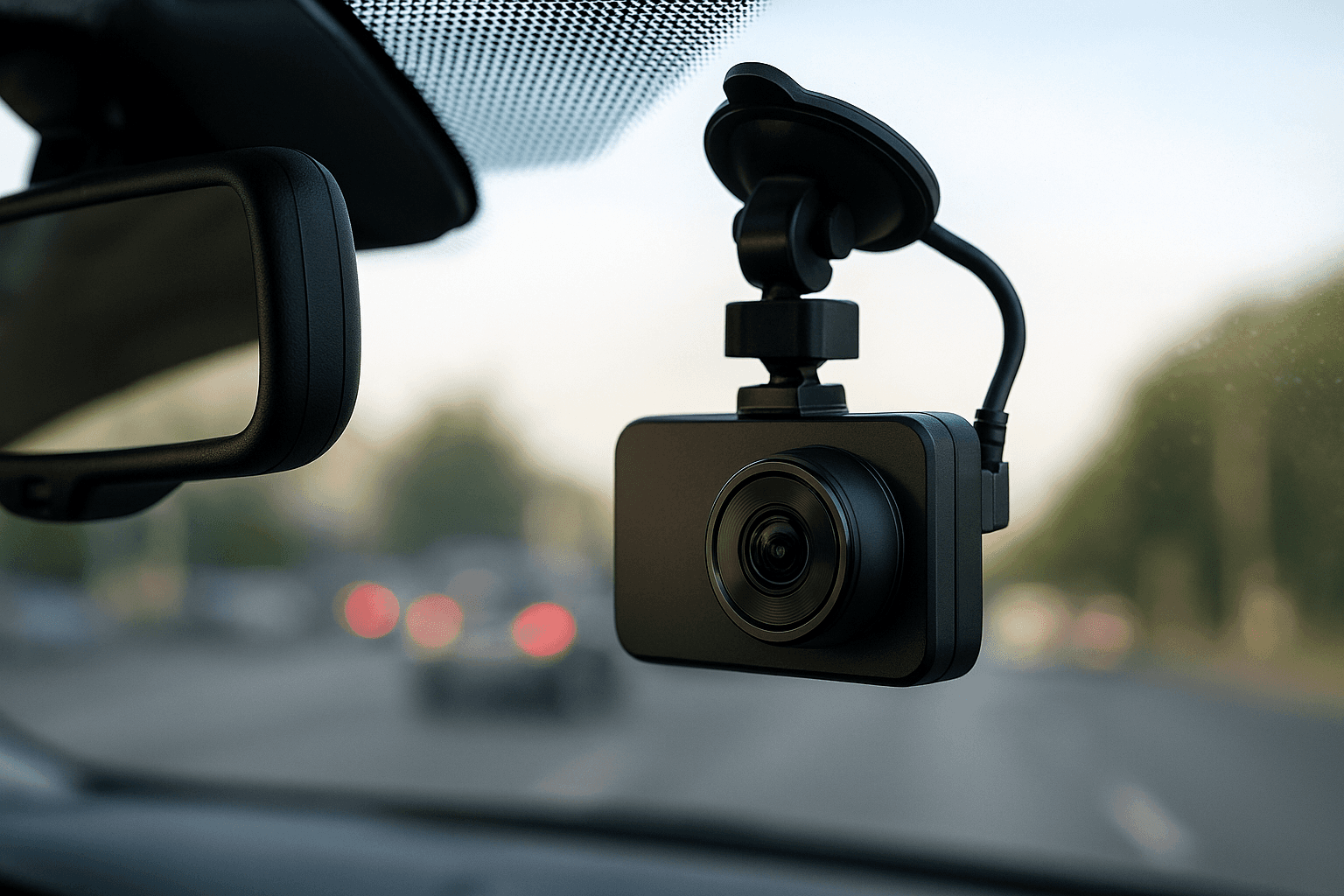
The cameras themselves shrank from clunky boxes to discreet units that hide behind your rearview mirror.
Storage became smarter too. Loop recording means the camera continuously overwrites old footage, so you never run out of
space. When something important happens—a collision, a hard brake—the camera locks that file automatically.
Modern Dashcams Do More Than Record
Today's dashcams are surprisingly capable. Most include a G-sensor that detects impacts and protects important footage from
being erased. Many offer parking mode, which keeps the camera watching even when the engine is off. Some embed GPS data into every recording, documenting your exact location and speed.
WiFi connectivity has made accessing footage simple. Instead of pulling out an SD card and finding a computer, you can
transfer clips directly to your phone in seconds. These aren't luxury features anymore. They're standard on most decent models.
Why Dashcams Matter Now
Driving has never been busier or more distracted. People are on their phones. Traffic is dense. Accidents happen fast, and
memories are unreliable. A dashcam gives you something solid: a clear, objective record of what actually happened. Insurance claims become simpler.
Hit-and-run drivers can be identified. Fraudulent accusations fall apart when there's video evidence. For parents with teenage drivers, a dashcam adds accountability. For rideshare drivers, it's protection. For everyone else, it's peace of mind.
What's Next
Dashcam technology continues to advance. Newer models include driver alerts for lane departure and forward collisions. Cloud
backup ensures footage survives even if the camera doesn't. Some automakers are building dashcams directly into vehicles.
Dual-channel systems—recording front and rear simultaneously—are becoming common. So are interior cameras for rideshare and fleet drivers. The dashcam started as a simple recorder. It's becoming an intelligent safety system.
Final Thought
Thirty years ago, dashcams were specialized police equipment. Today, they're affordable, compact, and genuinely useful. The
technology has matured. The value is clear.
If you spend any meaningful time on the road, a dashcam makes sense. You may never need the footage. But if you do, nothing
else will give you the same protection.
Ready to protect your drive?
Get RUDX Cam S-100.
Join thousands of drivers who never miss a moment.
Ready to protect your drive?
Get RUDX Cam S-100.
Join thousands of drivers who never miss a moment.
Ready to protect your drive?
Get RUDX Cam S-100.
Join thousands of drivers who never miss a moment.